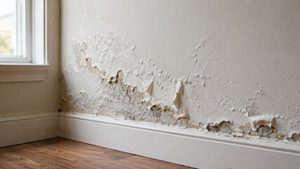
Water damage can result from many different situations such as heavy rains, flooding, burst pipes, and faulty appliances. Untreated water damage leads to the growth of mold, mildew, and bacteria.
Water damage restoration services follow a streamlined process to restore homes quickly and thoroughly. The first step is a thorough inspection. This allows experts to determine the extent of the damage and identify safety hazards.
1. Mitigation
When you experience water damage to your home or business, the first thing you need to do is contact a professional restoration company. This will ensure that the damage is handled properly and that any underlying problems are addressed. Not to mention, it can help you avoid costly repairs and long-term health risks from mold and bacteria.
However, before you call a restoration specialist, it’s important to understand what mitigation is and how it relates to the water damage remediation process. Mitigation refers to the process of reducing or stopping the spread of water and can be done in several ways. For example, it could mean shutting off the water supply to the affected area or disconnecting electricity to prevent electrocution.
While mitigation may not sound like a big deal, it is an important part of the water damage restoration process. It’s essential to prevent further water intrusion and reduce the amount of structural damage caused. Water damage repair experts can perform water mitigation services by inspecting the affected area, identifying the source of the problem and taking the appropriate steps to stop it.
Water damage mitigation also involves removing any materials that are beyond salvageability. This can include anything from carpets to sheetrock. It’s important to remove these materials during the mitigation process because they won’t dry on their own. The next step of the mitigation process is cleaning and sanitizing the area, which can take a while depending on how much water has been soaked into the structure.
The final step of the mitigation process is to check and see if any reconstruction is needed. This can be especially important if the cause of the water damage is from a natural disaster. For instance, if your home was damaged by flooding or wind, it’s important to know whether any areas of your home need to be rebuilt.
Although the water damage restoration process is a complicated one, following some basic restoration protocols can help you get the results you want and keep your property in good condition. In addition to these protocols, you should always be aware of the signs that indicate you have a serious problem and address it immediately before the damage worsens.
2. Remediation
The term “remediation” describes a set of steps and techniques to reduce contamination or restore an environment. The goal is to bring contaminated areas back to a healthy state that supports plants, animals and people. Some of the most common remediation efforts include cleaning up sediments — the bottoms of rivers, lakes, marshes, and oceans — and recovering wildlife from sites where contaminants have polluted the water and surrounding habitat.
When it comes to home or business water damage, remediation is the long-term solution that protects your investment and ensures that problems won’t recur. The first step is a thorough assessment of the extent of the problem and what caused it. Professionals use tools like moisture meters and thermal imaging cameras to identify all areas that may have been affected by the water. The professionals will then develop a comprehensive restoration plan for your approval before work begins.
The next step in the remediation process is to assess the type of water that has impacted the area. Different types of water require different treatment methods. For example, clean water from a burst pipe will be treated differently than Category 2 floodwater or sewage backup. Professionals can also help you decide if you need to do any additional testing to determine whether the water has been cleaned enough to return the system to service.
After determining the best strategy for eliminating the contamination, professionals implement it. There are many different remediation technologies, each of which has its own unique role depending on the type of contaminant, site characteristics, clean-up goals, time and logistic constraints, and regulatory requirements.
One of the most challenging steps in the water remediation process is deciding when to declare the site as clean. Remediation goals typically focus on reducing contaminant concentrations to levels that are below regulatory standards, but it can be difficult to define what is considered clean. For mixtures of chemicals and less common contaminants, it can be especially challenging to find a clear path forward.
The final step in the water remediation process is to perform long-term monitoring and verification of the results. The goal is to ensure that all contaminants are reduced to an acceptable level and that the environment is safe for use.
3. Restoration
In this step, restoration professionals clean and sanitize all affected areas. This ensures a safe and dry environment for the next steps. This includes removing materials that are unsalvageable, as well as using air scrubbers to eliminate bacteria and odors. This is a key component of water remediation because it can help prevent the spread of mold and other structural issues.
In addition, it’s important to clean and sanitize personal belongings that have been in contact with water. This includes clothing, carpets, and furniture. It’s also essential to clean and sanitize building materials that have been exposed to water damage, such as drywall and flooring. This can be done using a variety of techniques, including disinfectants and antimicrobial treatments.
The final part of restoration is addressing any repairs or reconstruction that are needed. This may include repairing or replacing walls, flooring, ceilings, roofs, and other elements of the building. Reconstruction can be especially necessary when dealing with severe water damage, such as that caused by a natural disaster or a major flooding event.
While it’s common to think that a flood or leak can be easily repaired on your own, the truth is that it’s much safer and more effective to leave this type of work to a professional. Not only does this make sure that the job is completed correctly, but it also minimizes the risk of further damage to your property and its occupants.
When it comes to restoration, there are a few key things that need to be kept in mind. The first is that restoration should be performed as soon as possible after the water damage occurs. This is because the longer that water damage remains, the more likely it is that structural issues will develop and lead to costly repairs. Additionally, if left untreated, mold can develop and cause serious health problems for your family or employees.
4. Reconstruction
After a thorough inspection, professionals will remove all standing water using industrial-grade pumps and vacuums. This step is vital for preventing mold growth and long-term structural complications. It also helps to prevent additional water damage from affecting the already damaged materials.
The next phase is the remediation process. During this time, all salvageable materials will be cleaned and sanitized. This includes personal belongings, furniture, and any other material that has been affected by the water. The process of cleaning and sanitizing may require antimicrobial treatments, deodorization, air scrubbers, and other equipment. This process is crucial for ensuring that the home is safe and sanitary for occupancy.
Once all the standing water has been removed, professional drying equipment will be used to bring moisture levels back down to normal. The drying process usually lasts 2-4 days and is constantly monitored. Professionals will adjust equipment placement and monitor humidity conditions to ensure that the water is completely dry. The process also involves sanitizing and removing all debris from the property.
Finally, reconstruction can begin if the property has been sufficiently dried and restored. This step may include simple repairs such as replacing baseboards or patching drywall, or it could involve more extensive restoration work such as reconstructing walls, rebuilding the HVAC system, and even installing new flooring. Reconstruction is an important part of the restoration process and can help to return the property to its pre-loss state.
While many people use the terms “restoration” and “remediation” interchangeably, they are different processes with distinct objectives. Mitigation revolves around protecting the property from further damage, while remediation focuses on restoring the property to its pre-loss condition.
Reconstruction was a complicated process that sought to reconcile many competing goals. Its proponents wanted to end slavery while preserving the economic stability of the region and protecting the rights of its white citizens. Its opponents, on the other hand, were motivated by a desire for vengeance and change. These two conflicting perspectives fueled much of the violence during Reconstruction and led to the Civil War. Despite these challenges, Reconstruction succeeded in transforming the South and establishing many of the country’s first state-funded public school systems, strengthening laborers’ bargaining power, making taxation more equitable, and outlawing racial discrimination in housing, transportation, and accommodations.
Visit our Professional Services Blogs
Tattoo 719, Ontario Dental 2, Yuma Sparkly Clean, Download IMO Beta, USA Fast Support, 1800 Mold Lab, Clear To Close Masters